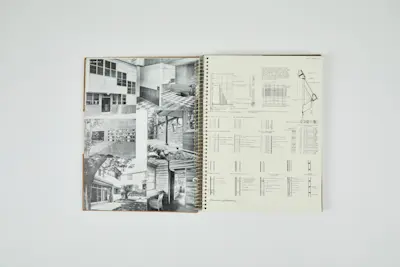
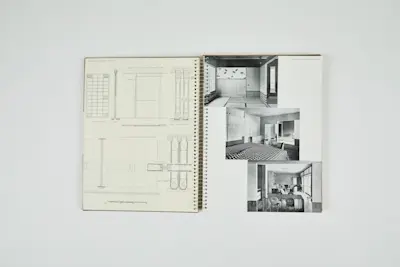
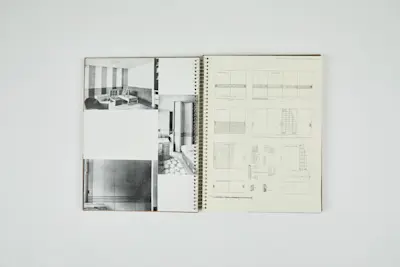
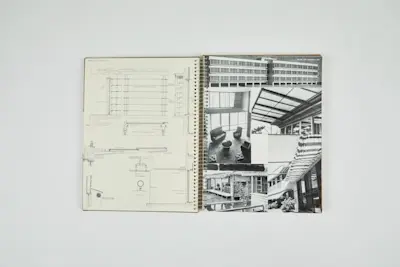
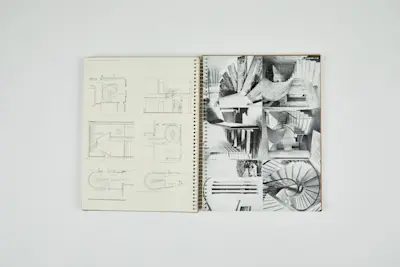
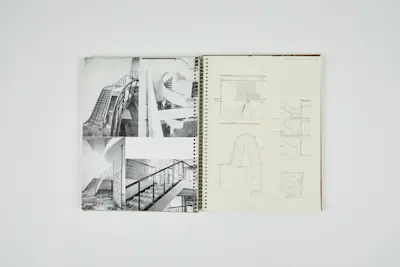
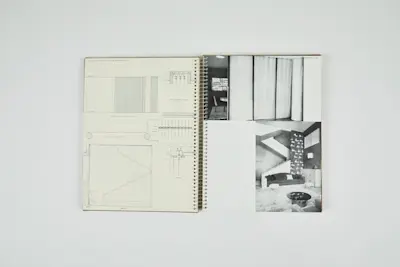
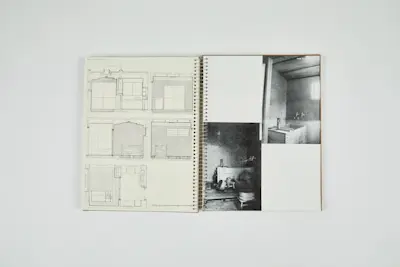
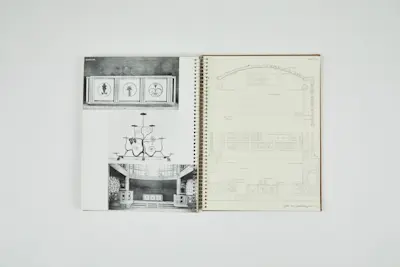
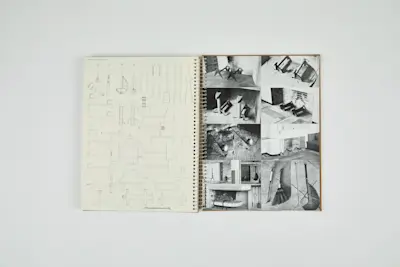
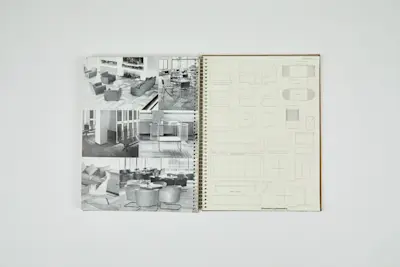
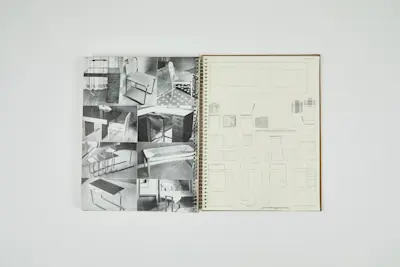
From the Library: Architectural Details
An Architectural Practice Devoted to Details
01.31.2026

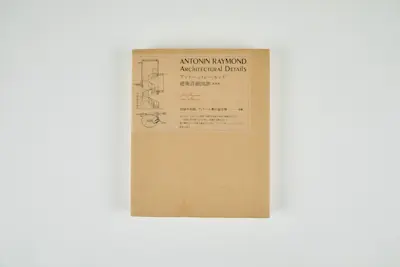
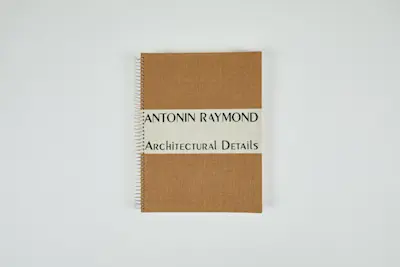
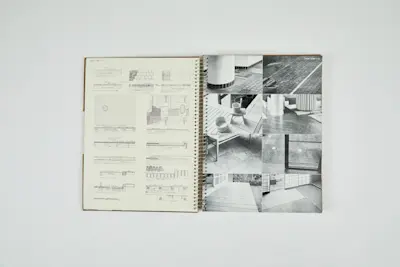
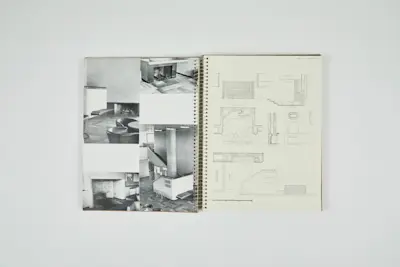
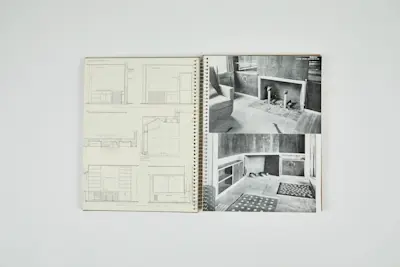
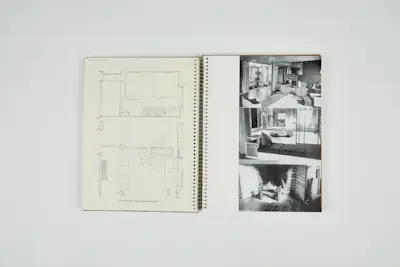
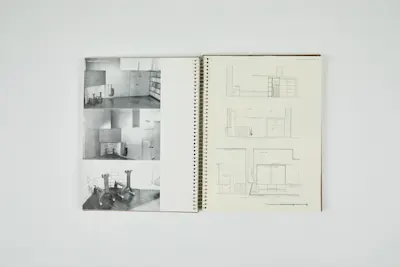
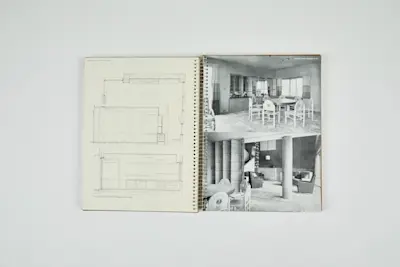
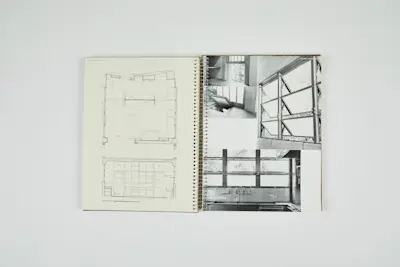
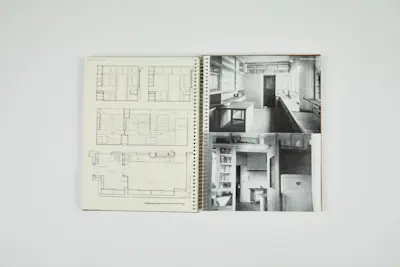
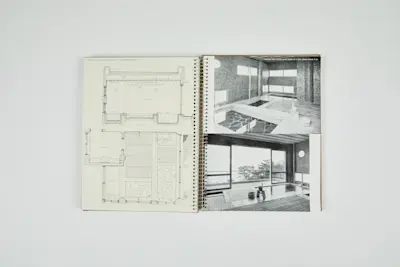
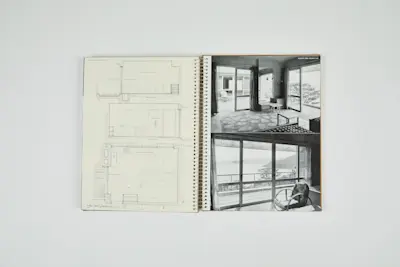
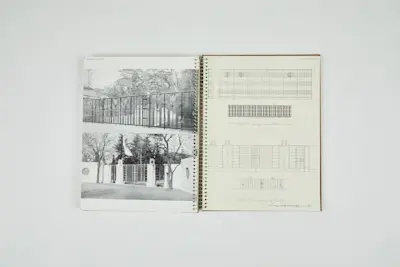
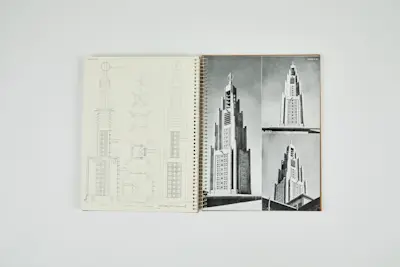
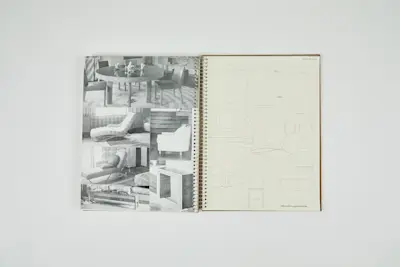
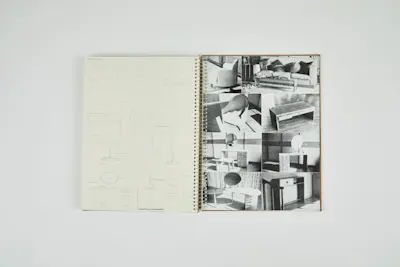
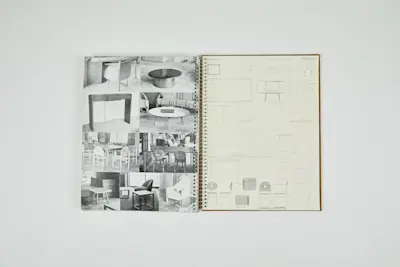
Antonin Raymond (1888–1976) was a Czech-born American architect whose career bridged continents and fundamentally shaped modern architecture in Japan and beyond. After working with Frank Lloyd Wright—most notably on the Imperial Hotel in Tokyo—Raymond settled in Japan and developed an independent practice that fused modernist principles with local materials, climate-responsive design, and traditional craftsmanship. He rejected superficial imitation in favor of structural honesty and functional clarity. His buildings, often executed in reinforced concrete and wood, emphasized simplicity, human scale, and a deep respect for construction methods. These foundational principles established him as a key figure in the development of a regionally-grounded modernism. This philosophy found its clearest theoretical expression in his writings, particularly in the 1938 book, Architectural Details.
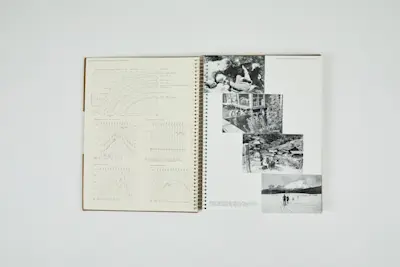
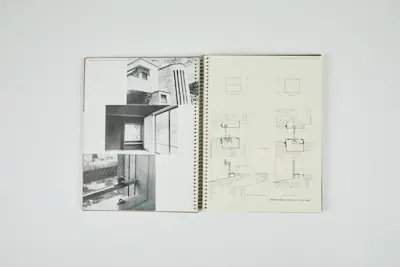
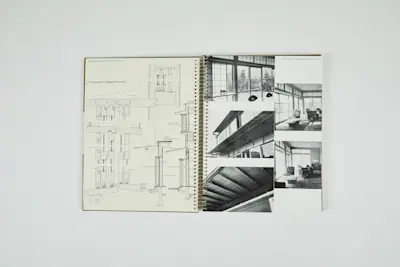
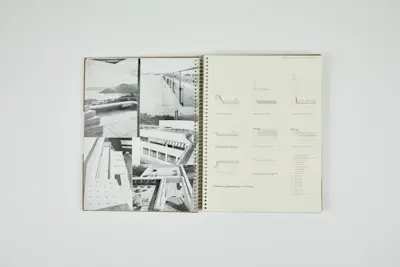
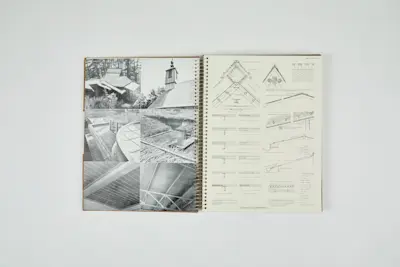
Architectural Details reframes the way architecture should be understood and practiced, particularly within the context of the design studio. Rather than treating details as secondary or purely technical concerns, the book presents them as central to architectural thinking. Raymond argues that architecture is ultimately defined not by overall form alone, but by how materials meet, how edges are resolved, and how ideas survive the transition from drawing to construction.
The book emphasizes that details are moments of accountability. At the scale of the joint or connection, abstract concepts are tested against physical realities such as gravity, weather, and use. In this sense, detailing becomes a critical extension of design intent rather than a task deferred to later stages. Raymond’s work suggests that a strong concept without carefully considered details remains incomplete, and that architectural rigor is revealed most clearly at small scales.
What makes Architectural Details especially relevant to studio culture is its resistance to speed and spectacle. The book encourages a slower, more deliberate design process—one that values precision, repetition, and refinement. Raymond treats detailing as an ethical practice, implying that care in construction reflects care for occupants, builders, and the long-term life of a building. Poor details signal neglect; thoughtful ones demonstrate responsibility.
Raymond also shifts attention toward how architecture is experienced. Buildings are not encountered as diagrams or renderings, but through thresholds, surfaces, and points of contact. Details mediate the relationship between body and building, shaping daily experience in subtle but lasting ways. By focusing on these moments, the book challenges architects to design not just for visual impact, but for use and durability.
Architectural Details serves as a reminder that architecture is an accumulation of decisions across scales. It reinforces the idea that concept and construction are inseparable, and that meaning emerges through careful resolution rather than formal gestures alone. Raymond ultimately teaches that good architecture is not only imagined—it is carefully made.
Text by David Kasprzak
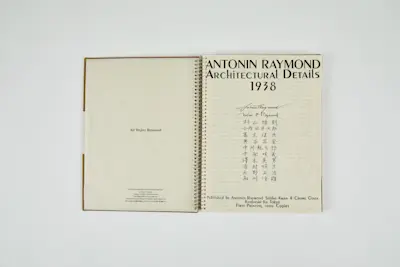
Published by Tokyo: Antonin Raymond Seisho-Kwan, 1938