Shobu Gakuen
An Art Center for Artists with Disabilities in Kagoshima, Japan
05.9.2026
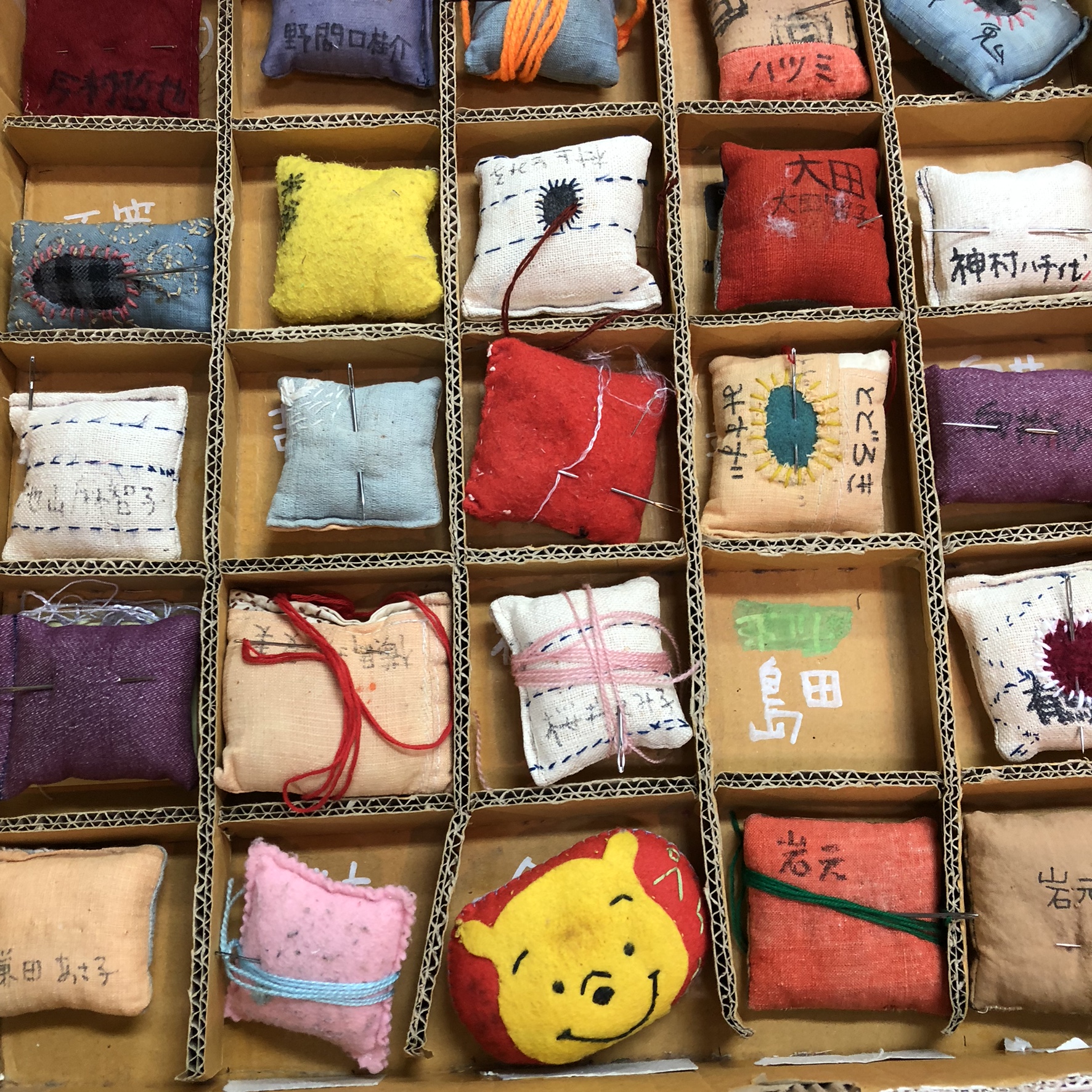
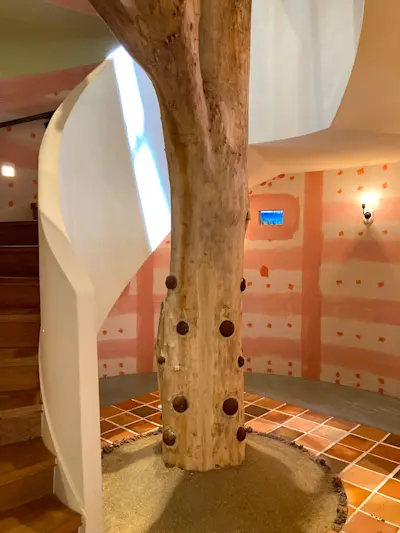
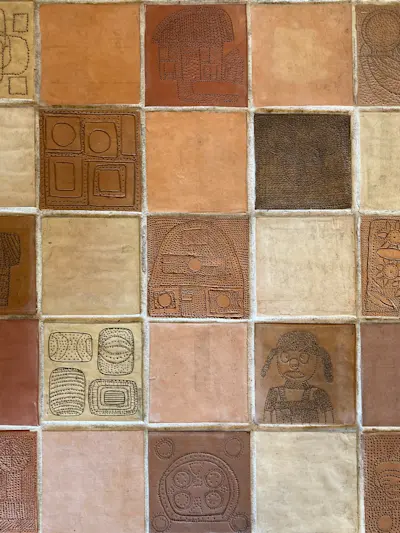
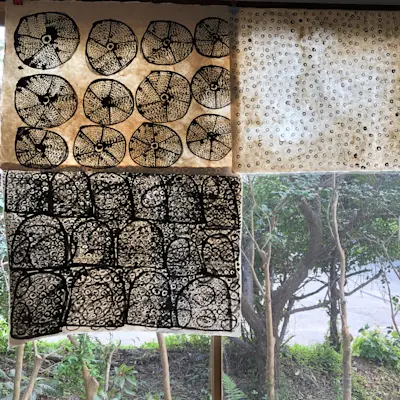
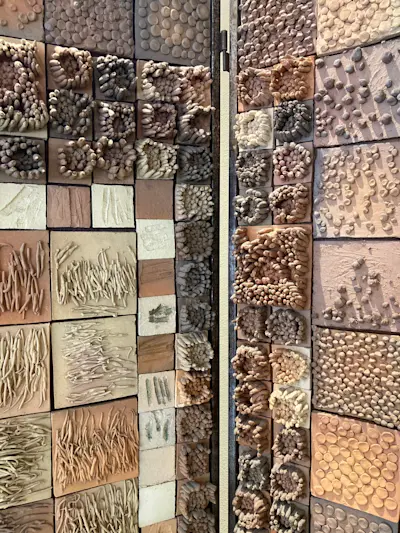
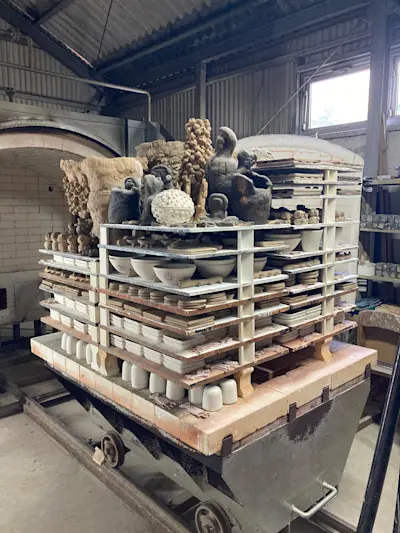
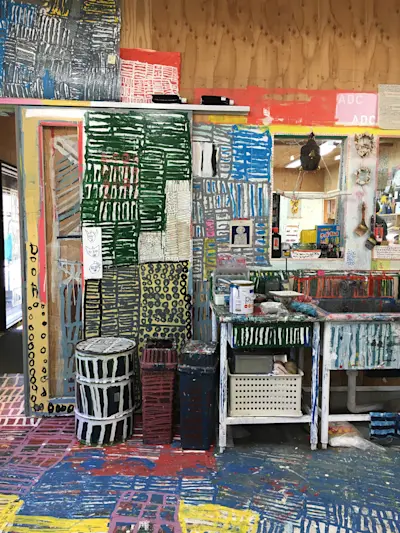
Tucked away in the southern city of Kagoshima, Japan, SHOBU Gakuen is a place that quietly challenges expectations. Often described as a welfare facility for people with challenges, it is equally known for its vibrant creative output—ceramics, textiles, music, and performance that feel both deeply personal and original.
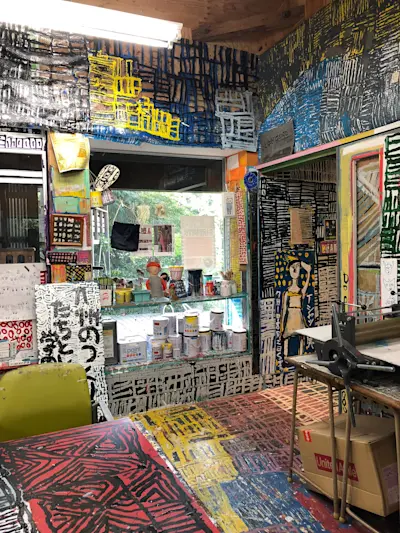
What makes SHOBU Gakuen unique is not just the work it produces, but the environment it fosters. There is no rigid separation between art and daily life. Instead, creativity becomes a natural extension of being—something that unfolds through routine, collaboration, and time. The results carry a clarity and honesty that is difficult to ignore.
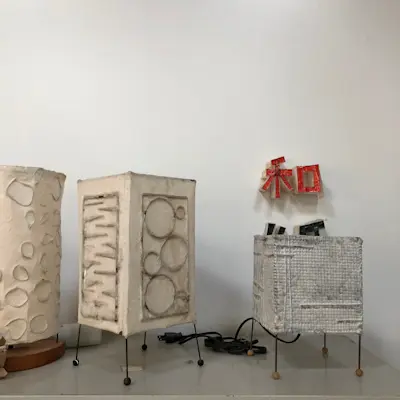
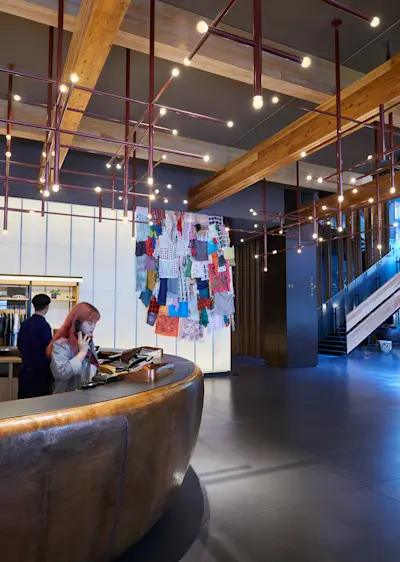
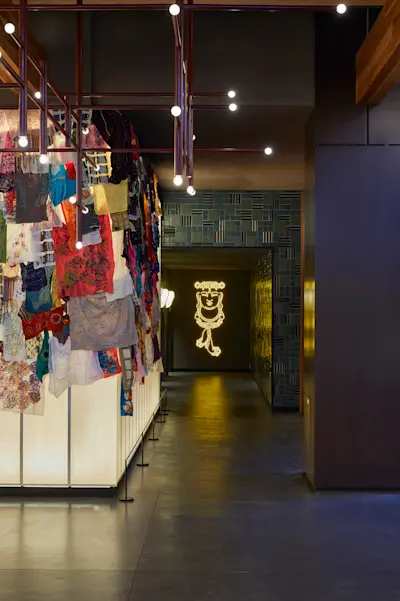
At Commune we have been inspired by the artists and work coming out of this amazing place for many years. In 2020 we were fortunate to collaborate with the artists at SHOBU to create several unique works for the lobby and rooms of our Ace Hotel Kyoto project.
SHOBU Gakuen began as a community of care built on creativity. How do you think that founding spirit continues to shape the way you work with residents today?
Since our founding in 1993, our initial focus was on education and training aimed at supporting the social independence of people with disabilities. However, in that process, we often encountered situations where the goal became helping someone do what they could not do before. This led us to continuously question what it truly means to support someone “as they are.”
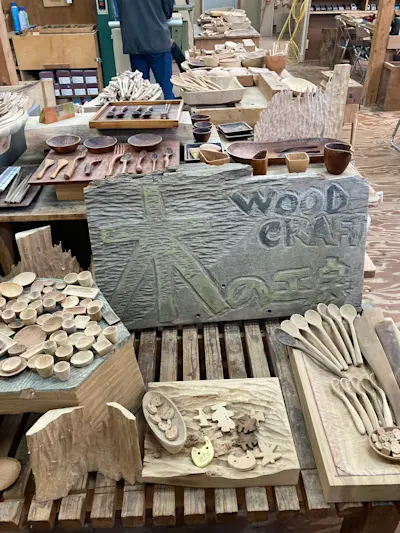
As early as 1985, we were deeply inspired by the rich creativity of the people we support. This prompted a shift—from being a place that provides care to one that creates. We established Kobo Shobu and began focusing on craft-based practices.
Over time, this evolved into a broader engagement with art, and eventually into a philosophy centered on “clothing, food, shelter + communication,” exploring new forms of community that connect people and society.
Since around 2015, we have been working toward creating an environment that supports people—regardless of disability—in living actively, grounded in their inherent creativity and human potential.
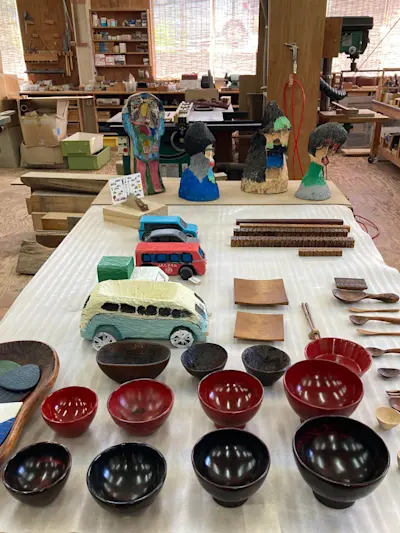
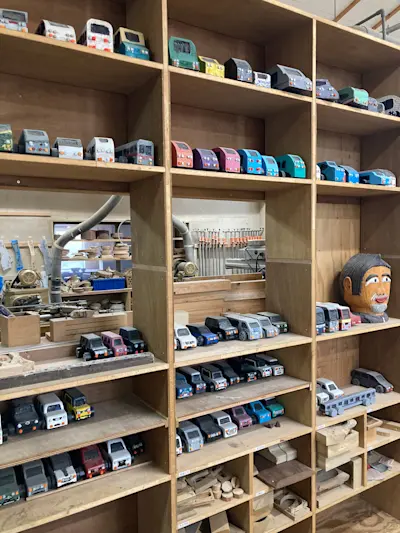
Craft and art are central to daily life at SHOBU — from textiles and pottery to woodwork, papermaking, and music. How do you see these practices affecting the confidence, or relationships of the people who take part?
The works created at SHOBU are not only preserved as art; they are completed through collaboration between the creators and the supporting staff.
Objects connect people. They also connect hearts.
By each person fulfilling their role from their own position, a natural sense of coexistence emerges. Through this process, we feel that it affirms the dignity of each individual as a human being.
How do you encourage residents to explore freely, and what have you learned personally from watching their creative processes unfold?
Traditionally, those in support roles tend to focus on what people cannot do. However, when it comes to supporting creative expression, the meaning of welfare shifts.
We try not to dwell on what can be overlooked as “weakness,” but instead place as much focus as possible on what people can do—their strengths.
In this process, we come to value not the outcome, but the process itself. For the individual, the act of making can be an essential expression of inner needs and desires.
By observing this, we are able to better understand the meaning and intention behind their behaviors and psychological states.
Can you describe what a day in one of the studios is like, and how staff and residents collaborate during that time?
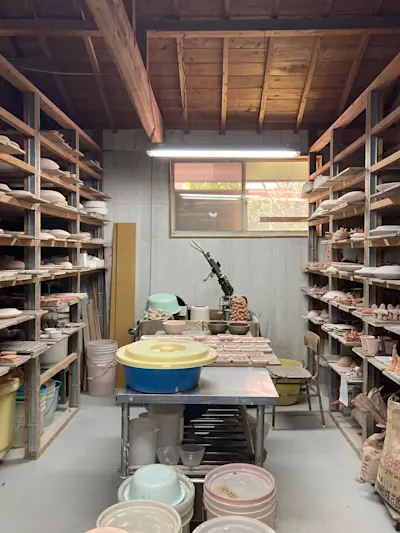
After morning radio exercises, everyone heads to their respective studios. Work begins at 9:30 AM and continues until noon, then resumes from 1:00 PM to 3:50 PM.
At SHOBU, we believe it is important that supporters themselves are also engaged in making things.
By both sides creating together, we form a more equal relationship. We value the process of combining what each person can do—bringing together the strengths of both residents and staff.
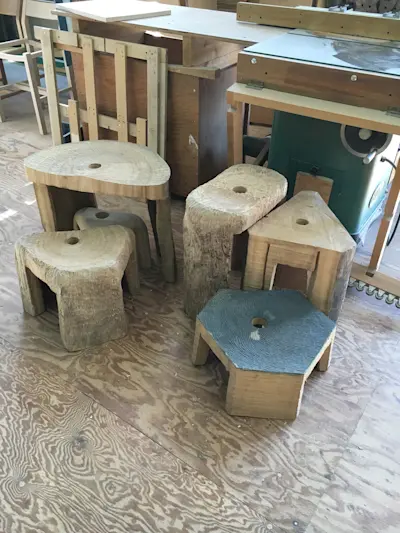
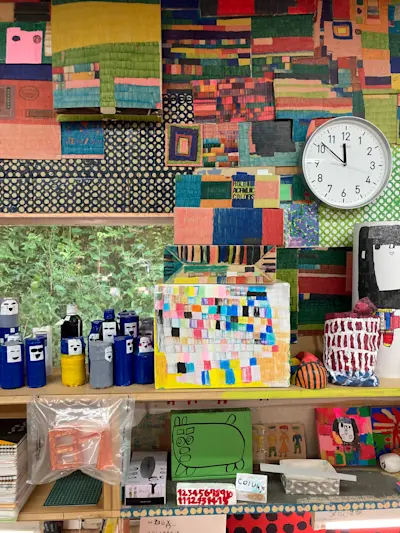
Whether it’s clay, thread, or wood, each material seems to carry its own voice. How do participants choose the materials they work with, and do certain materials seem to resonate more strongly with particular individuals?
For individuals who find verbal expression difficult, we observe their physical movements and the direction of their creative impulses. Based on this, we prepare materials and environments that align as closely as possible with their intentions.
Our goal is always to support their expression in the direction they naturally gravitate toward.
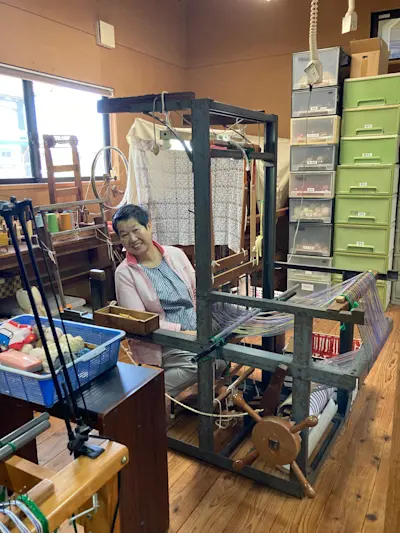
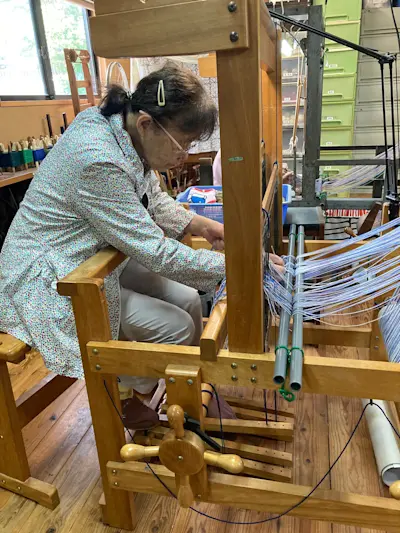
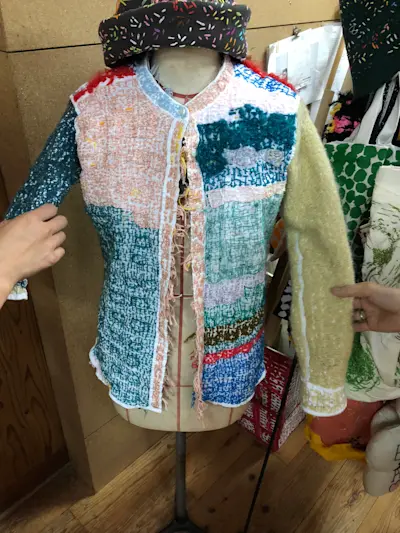
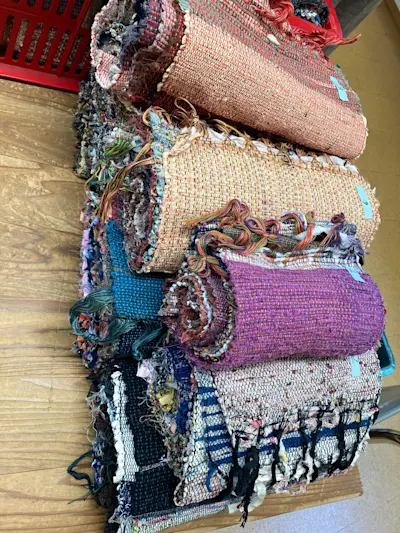
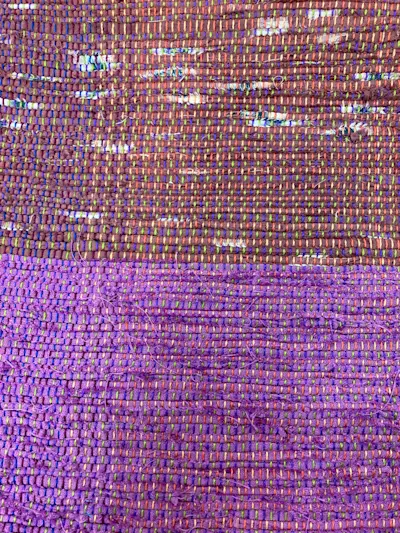
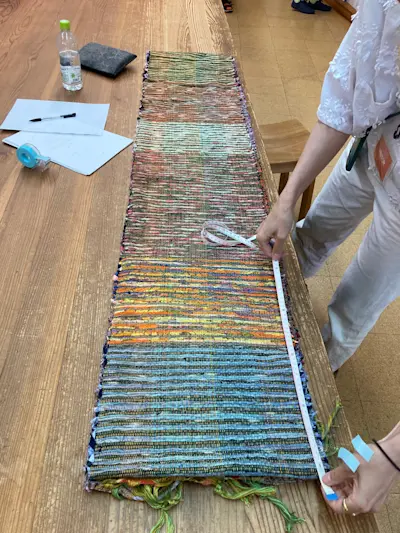
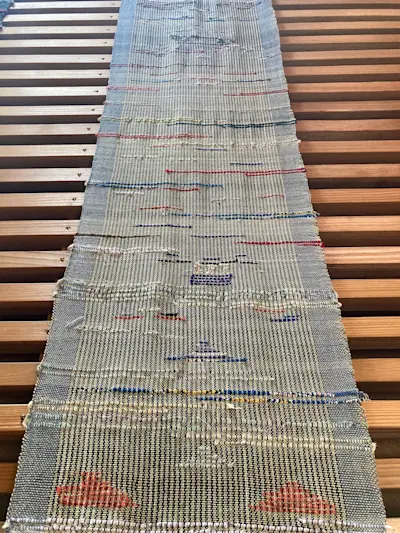
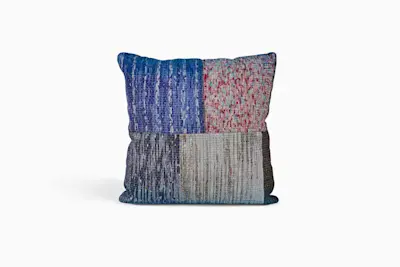
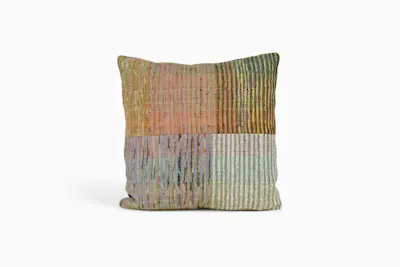
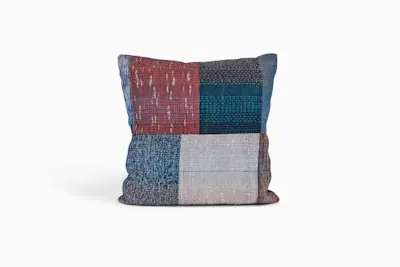
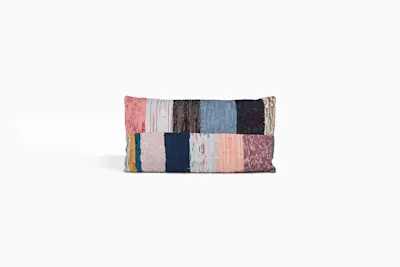
When Roman visited, he was particularly amazed with the Sakiori weaving and the women who were creating these incredible textiles. Can you tell us a little bit about the history of Sakiori and about the women who weave it at SHOBU?
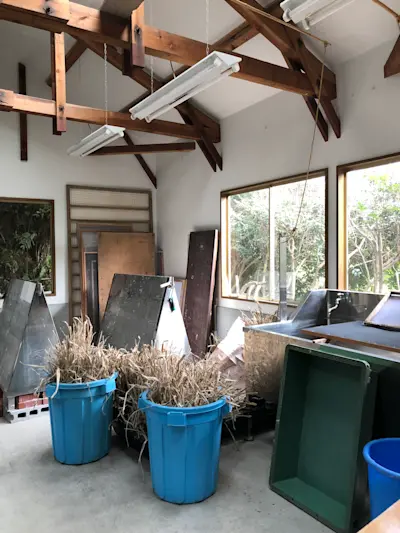
Since 1974, we were engaged in subcontracted work related to Oshima Tsumugi, a traditional textile from Amami Oshima in Kagoshima.
In 1985, with the establishment of Kobo Shobu, we moved away from subcontracted work and began Sakiori weaving.
Today, the three individuals who continue this practice have been weaving for nearly 50 years, dating back to the time of Oshima Tsumugi production.
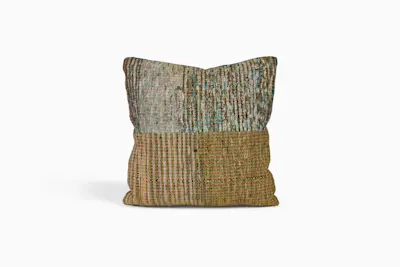
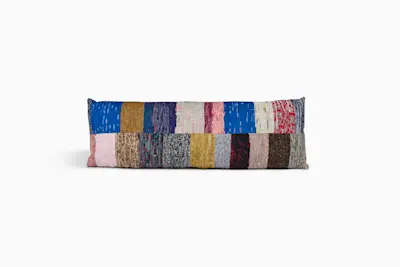
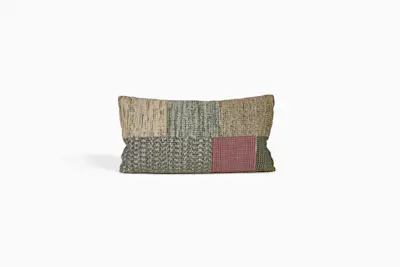
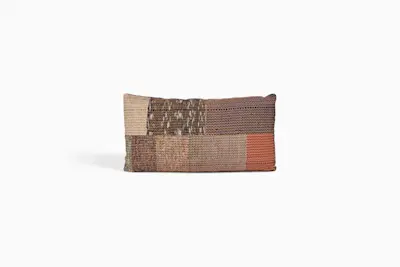
Commune made beautiful pillows with the Sakiori that Roman brought back with him. It seems that SHOBU’s work often travels beyond the campus — through exhibitions, collaborations, or product design. How do these public presentations affect the artists and the wider community’s understanding of what Shobu stands for?
Through exhibitions, community projects, and design collaborations, we aim to create opportunities where people with disabilities can demonstrate their empowerment within society.
We see this as an attempt to move beyond the framework of a “care facility” and contribute to building a new model of coexistence in society.
As SHOBU continues to evolve, what hopes or visions do you have for the next generation of makers there? How do you imagine the community growing or changing in the years ahead?
To connect with the wider society, we believe that instead of sending people out into society, creating a place where people come to us allows this space itself to become society.
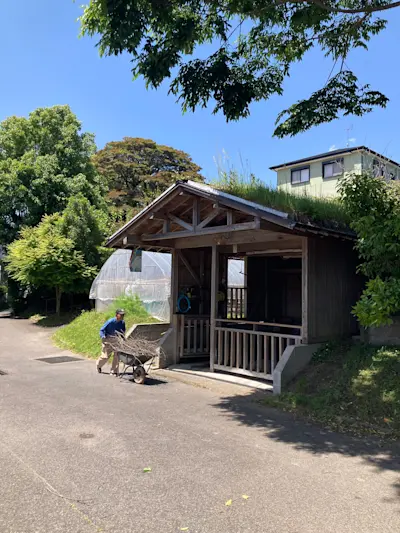
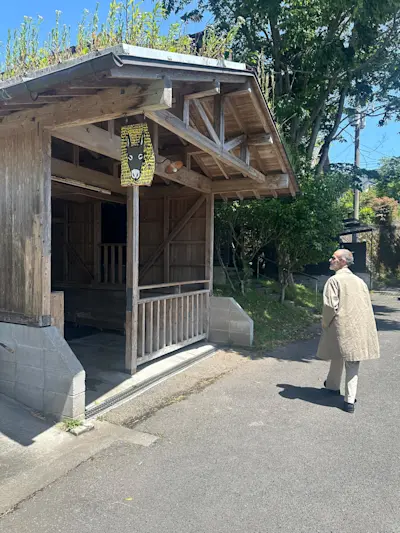
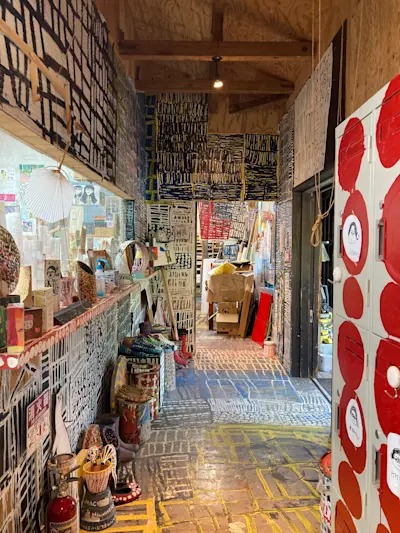
With this in mind, we have opened a bakery, restaurant, gallery, and craft shop within SHOBU.
Interview by David Kasprzak
Photography by Roman Alonso